Tipping is an important and well-established part of trekking culture on Mount Kilimanjaro. For many travelers, especially those coming from countries where tipping is uncommon, this can come as a surprise. On Kilimanjaro, tipping is not only customary—it is also genuinely expected and deeply appreciated by the mountain crew who support your climb.
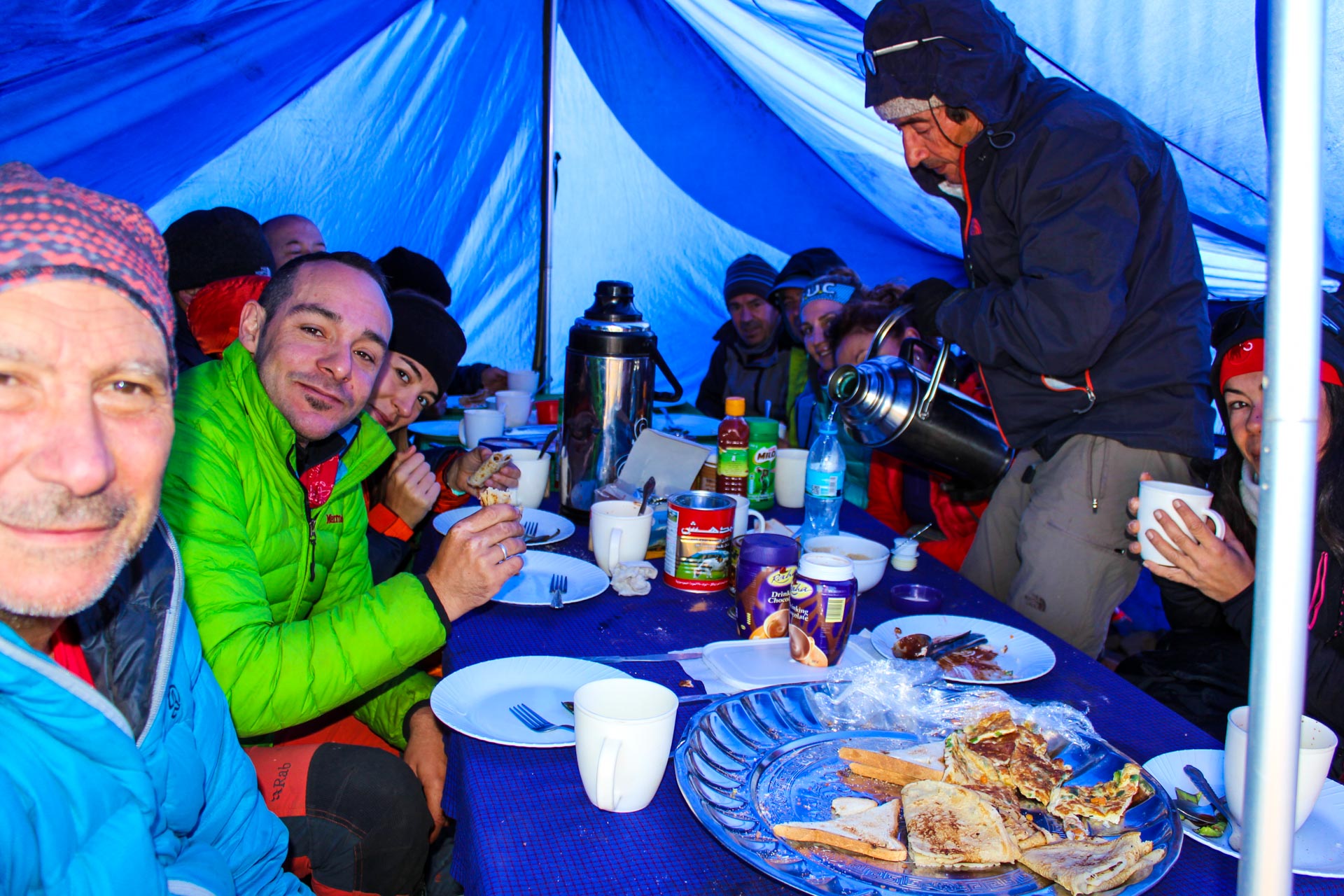
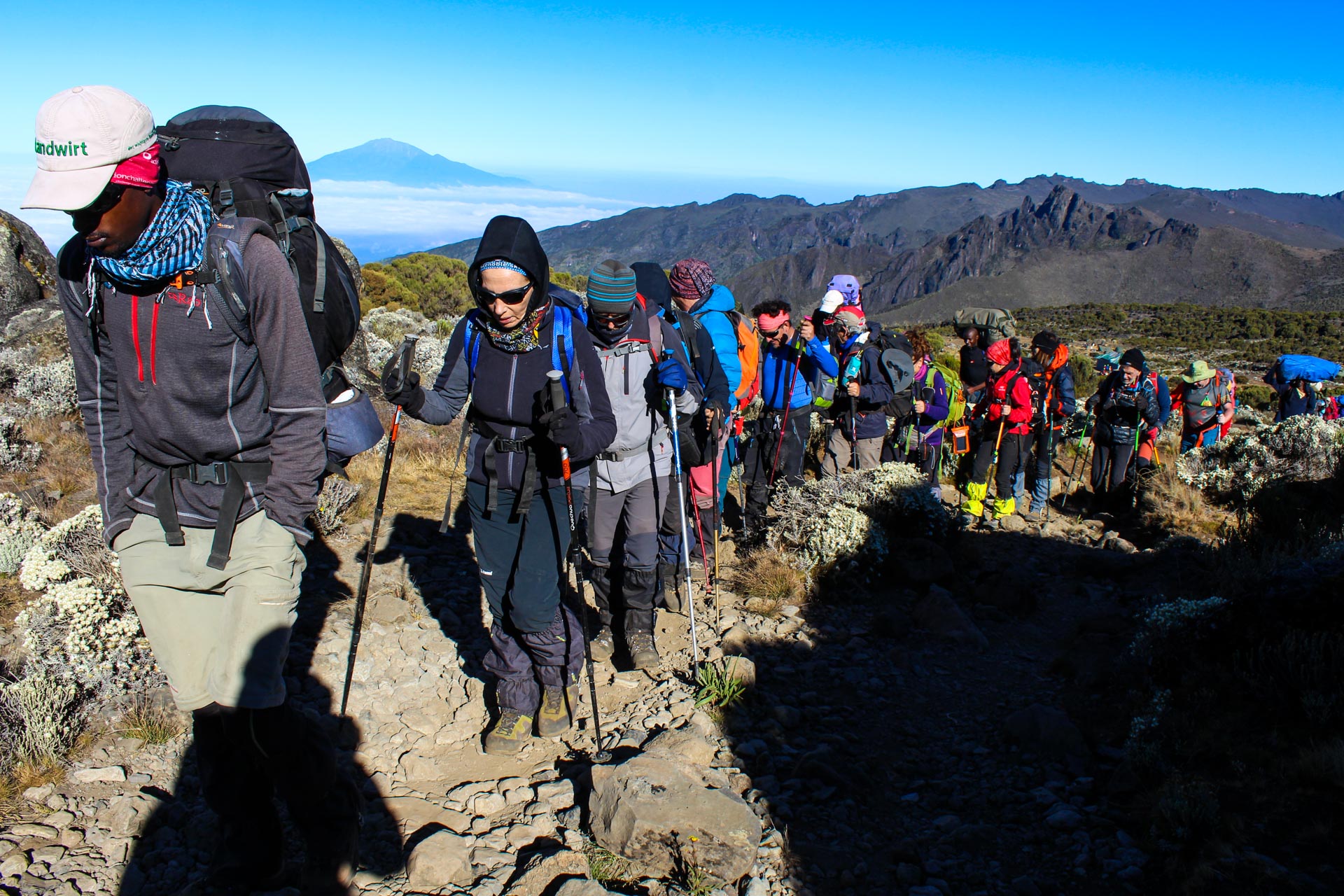
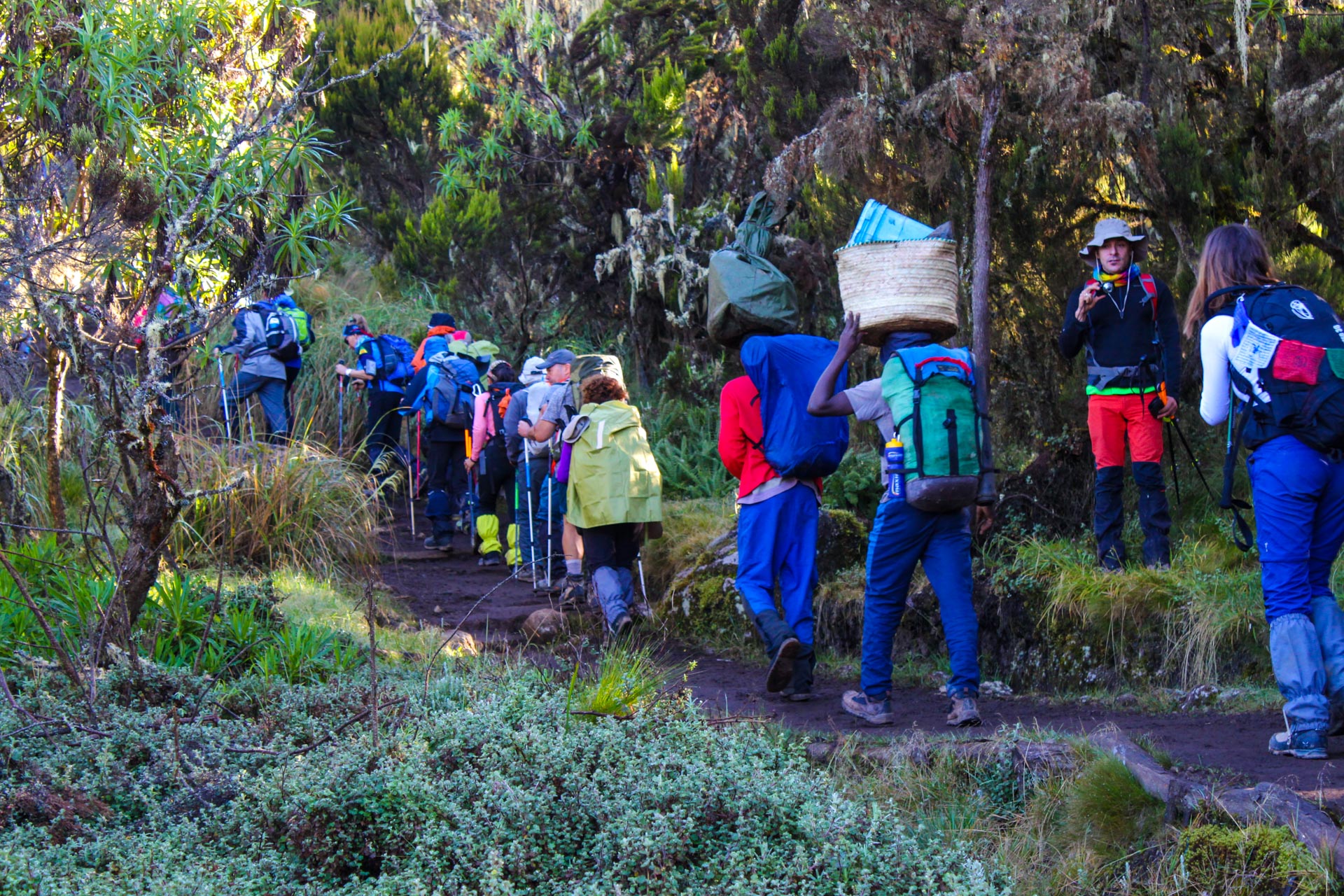
Unlike most trekking destinations around the world, climbing Kilimanjaro requires a large and highly coordinated support team. Even a small group of climbers is assisted by guides, assistant guides, cooks, and porters who work tirelessly behind the scenes to ensure your safety, comfort, and success. Because of this structure, tipping on Kilimanjaro is more substantial than on many other treks.
At HWS Adventures, we believe in transparency and fair treatment of our staff, which is why we provide clear guidance to help you understand and plan your tips responsibly.

Why Is Tipping Important on Kilimanjaro?
All HWS Adventures crew members are paid above the minimum wage set by local authorities. However, like many service-based professions in East Africa, tips form an essential part of a crew member’s overall income and help them maintain a decent quality of life.
The tipping system on Kilimanjaro follows a structure similar to the American service model. Tips are not viewed simply as a bonus for exceptional service, but as an anticipated part of compensation that bridges the gap between base wages and the rising cost of living in Tanzania.
For this reason, we strongly recommend that climbers budget for tips as part of their overall Kilimanjaro trip costs, alongside travel, gear rental, and personal expenses.
Why Aren’t Tips Included in the Climb Price?
Many clients ask why tipping cannot simply be included in the package price. While this seems logical, there are important reasons why this is not done on Kilimanjaro.
First, crew members themselves prefer receiving a portion of their income as tips rather than salary. Tips are received directly by the crew and are not subject to the same level of taxation and deductions as formal wages. If tips were added to the package price, they would be treated as business income and reduced by VAT, income tax, social security contributions, and administrative costs before reaching the crew.
Second, the Kilimanjaro trekking market is extremely competitive. Almost all operators follow the same tipping system. If tips were fully included in prices, climb costs would increase significantly, making trips less accessible and potentially reducing work opportunities for the crew.
Finally, tips serve as a powerful motivation. A performance-based reward system encourages professionalism, teamwork, and high service standards throughout the climb—something that fixed salaries alone do not always achieve.
Can I Prepay Tips Before the Climb?
At this time, HWS Adventures does not accept prepaid tips. If tips were processed through the company, a large portion would be lost to taxes and fees before reaching the crew. To ensure that your generosity directly benefits the people who supported you on the mountain, tipping is handled personally by clients.
Can I Leave Tip Money With the Briefing Manager?
Yes. If you prefer not to carry large amounts of cash during your trek, you may leave your tipping funds with the HWS Adventures briefing manager before the climb begins. You will receive a receipt for the amount deposited.
After completing your trek and providing feedback, you can collect the funds and distribute the tips yourself. This option is recommended, as park regulations limit the amount of cash trekkers may carry while on the mountain.
Should I Tip If I Don’t Reach the Summit?
Yes. Your support crew commits their time and effort for the entire duration of your planned climb, regardless of whether you reach the summit. In most cases, unsuccessful summit attempts are due to altitude-related issues rather than the quality of service provided by the crew.
Tipping should reflect the level of service, care, and professionalism you received—not just the final outcome of the climb. That said, if you genuinely feel that service fell below expectations, you are free to adjust your tip accordingly. We also encourage you to share feedback with us so we can continue improving our operations.
Can I Tip More or Less Than the Suggested Amount?
Our guidelines are designed to be fair, realistic, and sustainable.
-
If service was excellent, you may tip toward the higher end of the recommended range.
-
If service was good, tipping within the guideline range is appropriate.
-
If service did not meet expectations, you may tip less and provide feedback explaining your experience.
We generally advise against tipping far above the suggested range, as excessive tipping can create unrealistic expectations and long-term imbalances within the industry.
HWS Adventures Recommended Tipping Guidelines (Per Day, Per Group)
The following amounts are suggested for the entire group per day, not per individual climber.
-
Senior Guide: USD 20–25
-
Assistant Guide: USD 15–20
-
Cook: USD 10–15
-
Waiter: USD 8–12
-
Porter: USD 8–10
-
Summit Porter: USD 10–15
-
Toilet Crew: USD 8–12
Typical Crew Size by Group Size
Understanding crew size helps you estimate tipping amounts more accurately.
-
Group of 1: 1 Senior Guide, 1 Cook, 3–4 Porters
-
Group of 2: 1 Senior Guide, 1 Assistant Guide, 1 Cook, 7 Porters
-
Group of 3: 1 Senior Guide, 1 Assistant Guide, 1 Cook, 9 Porters
-
Group of 4: 1 Senior Guide, 1 Assistant Guide, 1 Cook, 12 Porters
-
Group of 5: 1 Senior Guide, 2 Assistant Guides, 1 Cook, 15 Porters
-
Group of 6: 1 Senior Guide, 2 Assistant Guides, 2 Cooks, 18 Porters
-
Group of 7: 1 Senior Guide, 2 Assistant Guides, 2 Cooks, 21 Porters
-
Group of 8: 1 Senior Guide, 3 Assistant Guides, 2 Cooks, 24 Porters
-
Group of 9: 1 Senior Guide, 3 Assistant Guides, 2 Cooks, 27 Porters
-
Group of 10: 1 Senior Guide, 3 Assistant Guides, 2 Cooks, 30 Porters
How to Distribute Tips on Kilimanjaro
The most common and respectful approach is to collect tips as a group and distribute them at the end of the trek.
You may:
-
Prepare individual envelopes for each crew role and hand them out personally, or
-
Prepare two envelopes—one for guides and cooks (given to the lead guide) and one for porters (given to the porter representative)
Both methods are widely accepted and appreciated.
Estimated Tip Amounts Per Client (Examples)
Below are approximate tip ranges per climber, depending on route length and group size.
5 Days Marangu Route
USD 260–350 (solo climber)
USD 208–300 (group of 2)
6 Days Marangu or Machame Route
USD 312–420 (solo climber)
USD 249–360 (group of 2)
7 Days Machame or Lemosho Route
USD 364–490 (solo climber)
USD 291–420 (group of 2)
8 Days Lemosho Route
USD 416–560 (solo climber)
USD 322–480 (group of 2)
Tip Breakdown by Crew Role (Per Trek)
-
Senior Guide: USD 90–200
-
Assistant Guide: USD 65–160
-
Cook: USD 50–120
-
Porter: USD 30–80
Exact amounts depend on trek length and group size.
Final Thoughts on Tipping With HWS Adventures
Tipping on Kilimanjaro is about respect, fairness, and appreciation. Your crew works long hours in challenging conditions to ensure your safety, comfort, and success on Africa’s highest mountain.
At HWS Adventures, we are proud of our professional, ethical, and dedicated mountain teams. By following these guidelines, you help support sustainable tourism and ensure that the people who make your Kilimanjaro experience possible are rewarded fairly.
If you have any questions about tipping, crew structure, or budgeting for your climb, our team will be happy to guide you—just ask.