Climbing Mt. Kilimanjaro is an unforgettable adventure, but even experienced climbers can face sudden challenges at high altitude. Weather changes, health issues, or unexpected obstacles can lead to emergency situations requiring evacuation. Knowing how to prepare and respond can make the difference between a safe rescue and serious danger. HWS Adventures ensures climbers are guided with expertise and safety in mind, but understanding the right steps yourself is equally important.
1. Choose a Reputable Tour Operator
The first and most crucial step in ensuring safety on Kilimanjaro is selecting a professional tour operator. Experienced companies like HWS Adventures provide trained guides, well-equipped support teams, and emergency response protocols that can prevent minor issues from escalating into serious problems. Guides know the terrain, weather patterns, and evacuation routes, giving climbers a much higher level of security.
2. Prepare Mentally and Physically
High-altitude climbs demand both mental and physical preparation. Proper training improves stamina, reduces fatigue, and lowers the risk of altitude-related illnesses. HWS Adventures offers pre-climb guidance, helping climbers build the endurance needed to react calmly and effectively in emergency situations.
3. Carry Essential Safety Gear
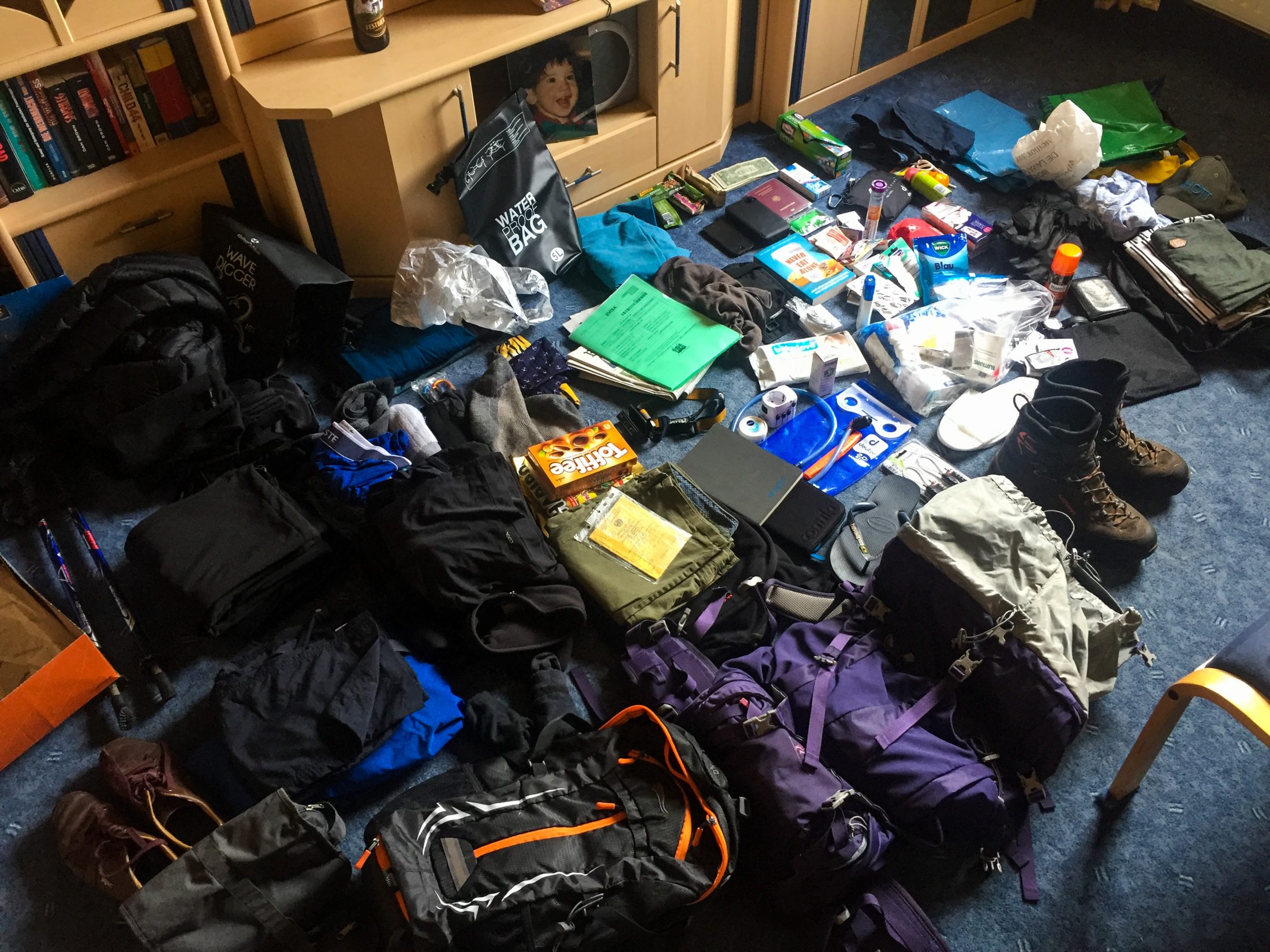
Carrying the right gear is vital for safe evacuation. Essential items include:
-
A reliable communication device (satellite phone or radio)
-
Warm and waterproof clothing
-
First aid kit and medications
-
Headlamp and extra batteries
-
Emergency blankets
These tools ensure you can signal for help, manage minor injuries, and stay protected until rescue teams arrive.
4. Know the Signs of Altitude Illness
Recognizing symptoms of altitude sickness early—such as headaches, dizziness, nausea, or shortness of breath—is critical. Climbers should never ignore these signs, as severe altitude sickness can require immediate evacuation. HWS Adventures guides monitor every climber’s condition continuously, making timely decisions about rest, descent, or medical intervention.
5. Stay Calm and Communicate Clearly
If an emergency arises, staying calm and following instructions is crucial. Alert your guide immediately, clearly explain symptoms or difficulties, and stay in a safe location until help arrives. Panic can complicate rescues, while calm, coordinated action ensures a smoother evacuation.
6. Follow Established Evacuation Protocols
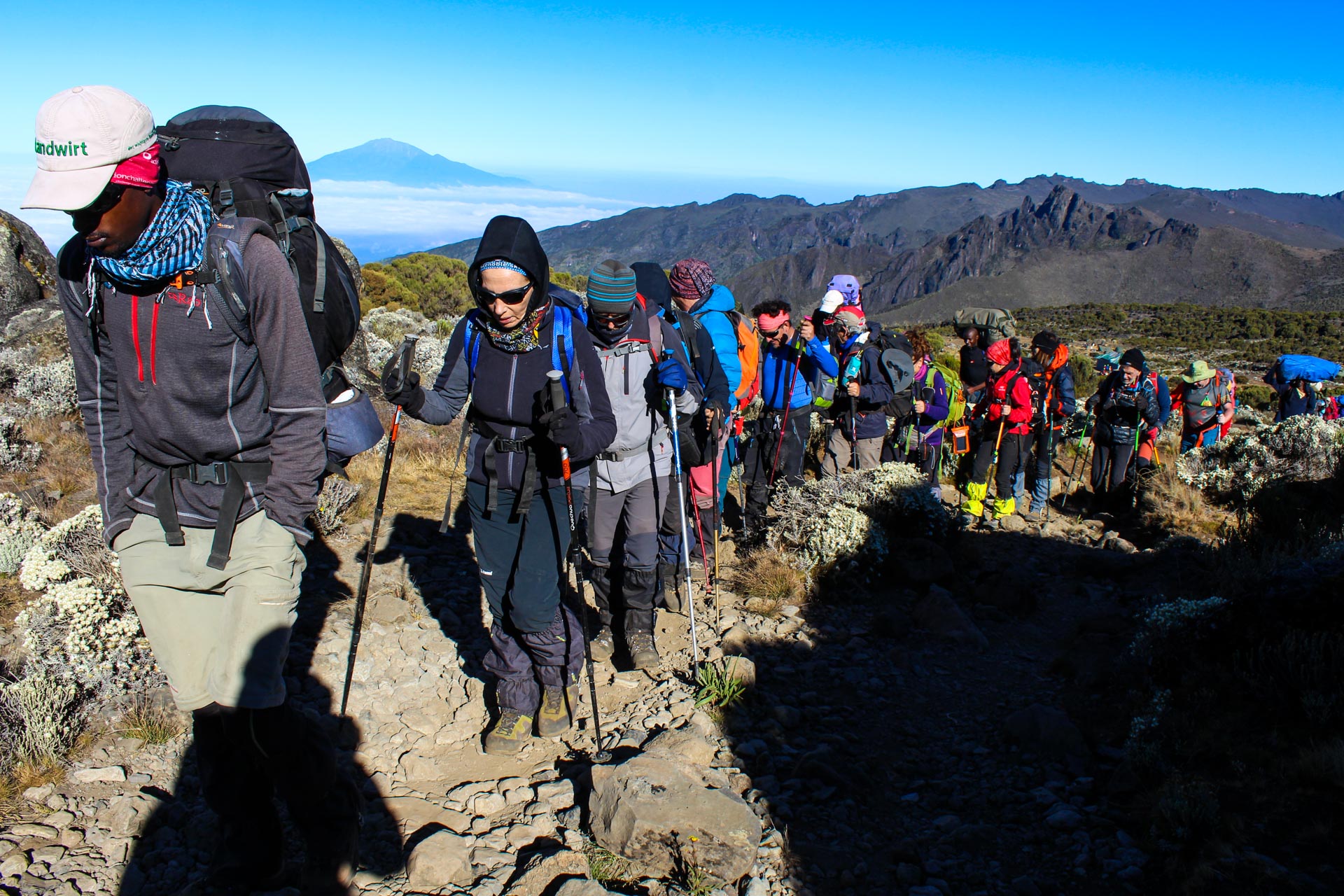
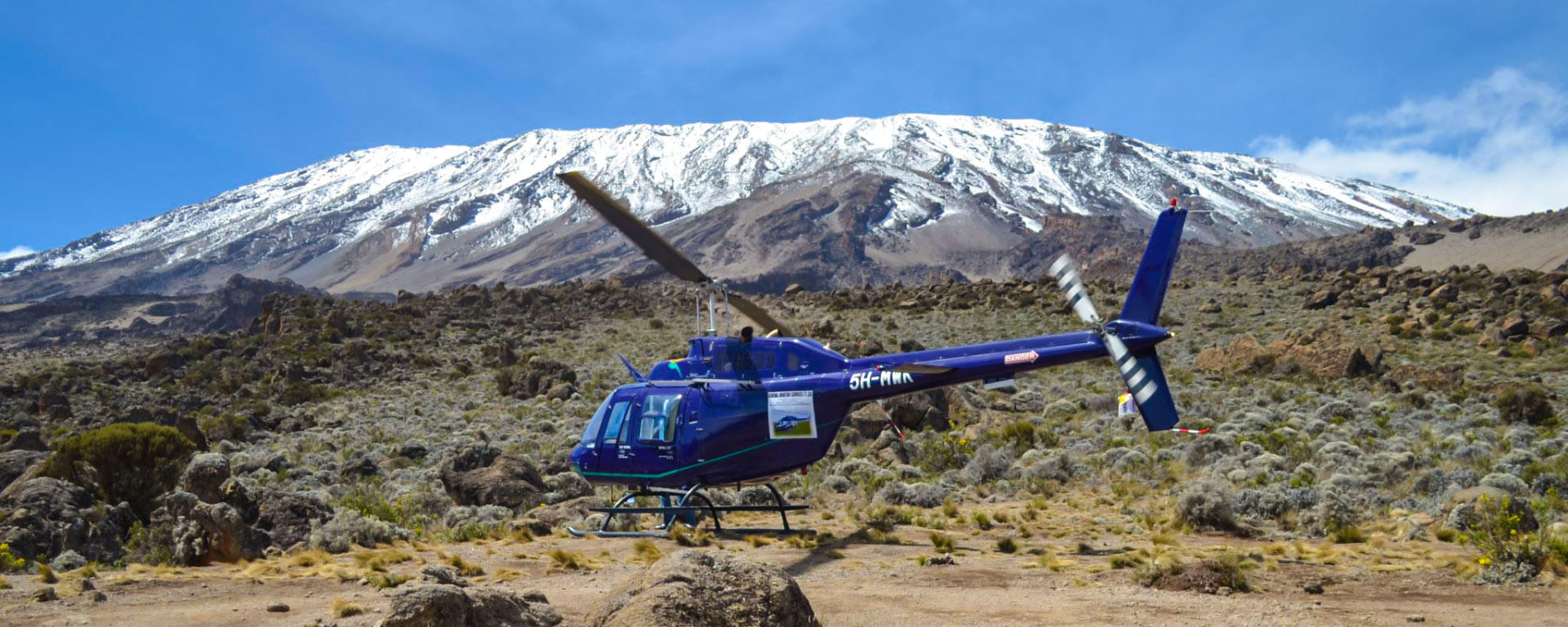
Professional operators like HWS Adventures have well-defined evacuation procedures. These protocols may involve ground teams, porters, and even helicopter support if conditions require it. Always adhere to your guide’s instructions—they have the knowledge to navigate dangerous terrain safely and efficiently.
7. Maintain Health and Hydration
Many emergencies are worsened by dehydration, fatigue, or poor nutrition. Drinking plenty of water, eating energy-rich foods, and pacing yourself during the ascent can prevent complications that might trigger a need for evacuation.
8. Learn Basic First Aid
Even with guides present, knowing basic first aid can be life-saving. Simple skills such as bandaging, CPR, or managing altitude sickness symptoms help stabilize yourself or fellow climbers until professionals take over.
Conclusion
Safety on Mt. Kilimanjaro is a shared responsibility between climbers and guides. By preparing adequately, carrying essential gear, monitoring health, and following expert guidance, climbers significantly increase their chances of a safe and successful ascent. Choosing an experienced operator like HWS Adventures ensures that, in case of emergency, evacuation is handled efficiently and with professionalism—allowing you to focus on the adventure, knowing safety is always a priority.