Climbing Mount Kilimanjaro is a once-in-a-lifetime adventure, and understanding the full cost helps you plan safely and confidently. Many climbers ask, “Why do prices vary so much?” or “What am I actually paying for?”
At HWS Adventures, we believe in honest pricing, fair treatment of staff, and prioritizing your safety and success on the mountain.
Average Cost of Climbing Kilimanjaro
The average cost to climb Mount Kilimanjaro ranges between USD 2,000 and USD 6,000 per person. The price depends on several factors, including the route you choose, the number of days on the mountain, group size, and the quality of services provided.
Very cheap climbs often mean compromises—usually in guide experience, safety equipment, food quality, or porter welfare. On the other hand, extremely expensive climbs may include high international agency markups without adding real value on the mountain.
The key is finding the right balance between fair pricing and professional standards.

Why Cheap Kilimanjaro Climbs Can Be Risky
Every Kilimanjaro operator must be registered with Kilimanjaro National Park Authority (KINAPA), but not all operate ethically. Some budget operators cut costs by underpaying guides and porters, overloading porters with heavy bags, or using old and unsafe equipment.
Sadly, porters are often the most affected. Poor clothing, inadequate food, and lack of proper shelter are common problems with unethical operators. At HWS Adventures, porter welfare is non-negotiable—we follow and exceed recommended guidelines to ensure our team is safe, healthy, and respected.
What Is Included in the Real Cost of Climbing Kilimanjaro?
1. Kilimanjaro National Park Fees
Park fees are fixed and unavoidable for every climber and crew member. These include conservation fees, camping or hut fees, rescue fees, crew entrance fees, and government taxes.
On average, park fees alone can cost USD 160–200 per climber per night, depending on the route and duration.
If a climb looks extremely cheap, it raises an important question: where are the savings being made?
2. Guide, Porter, and Cook Wages
A large part of your climb cost goes toward paying the mountain team. Staff wages can range from USD 80–150 per climber per day, depending on group size and route.
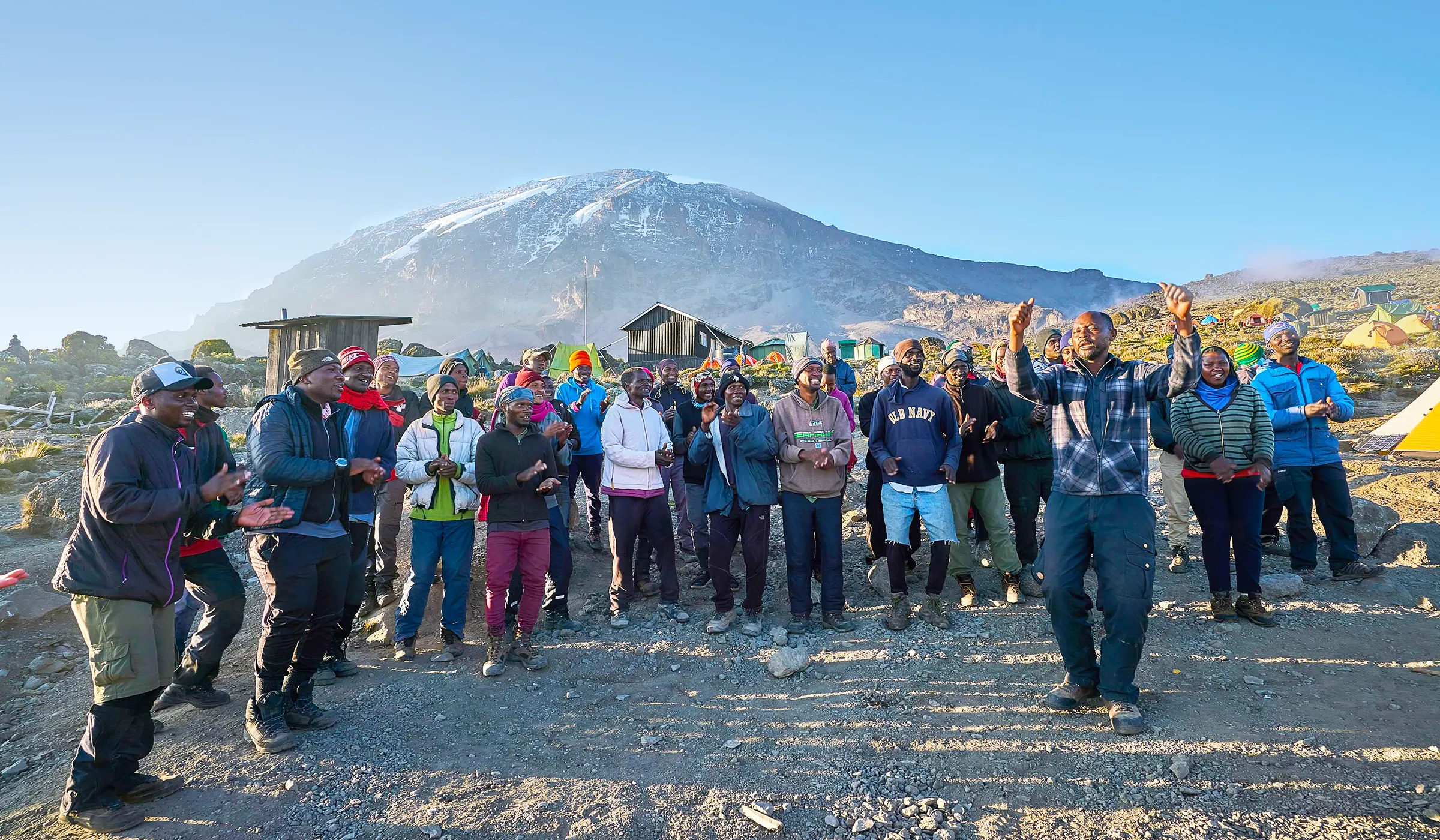
At HWS Adventures, our guides are experienced, well-trained, and properly equipped. Porters carry legal weight limits, receive good meals, warm clothing, and proper sleeping arrangements. Happy and healthy crew members mean better service—and a safer climb for you.
3. Food, Water, and Transportation
Quality food is essential for energy and recovery at altitude. Food costs typically range from USD 10–20 per climber per day, including meals for both climbers and crew.
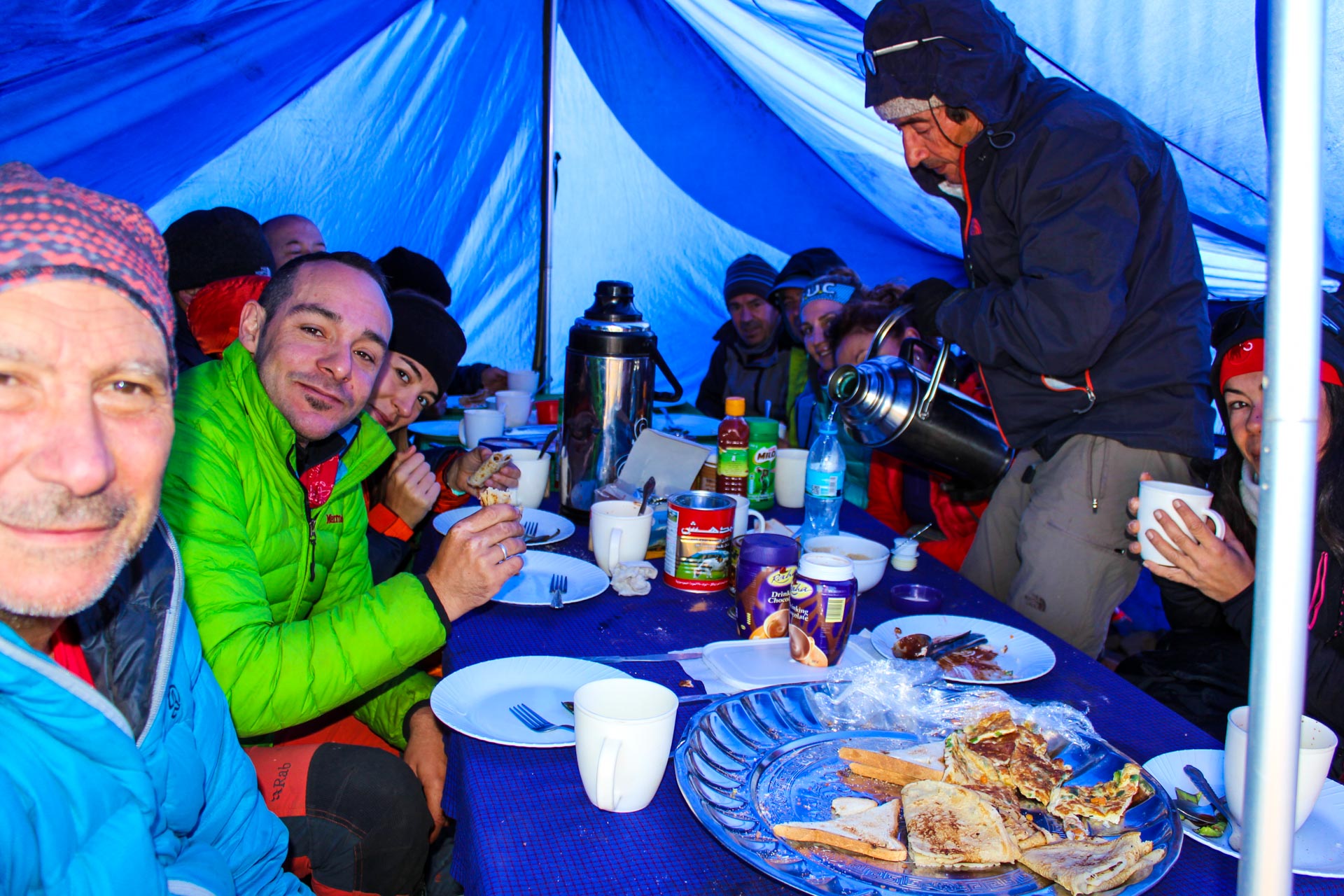
All food must be carried up the mountain, stored hygienically, and prepared by trained mountain cooks. We also provide treated drinking water throughout the trek.
Transportation costs cover airport transfers, hotel-to-gate transport, and crew logistics.
4. Equipment and Camping Comfort
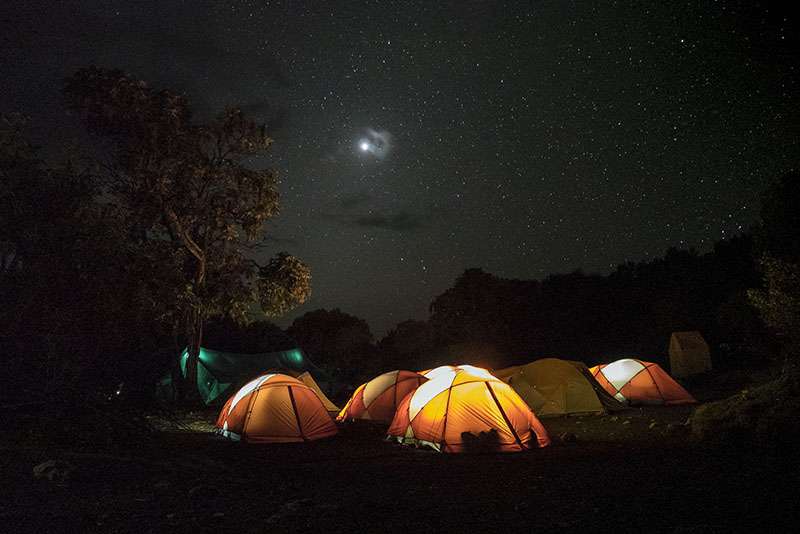
Good equipment makes a huge difference to your comfort and success. Your climb price supports:
-
Strong four-season mountain tents
-
Dining tent with table and chairs
-
Toilet tent (on camping routes)
-
Cooking equipment
-
Backup gear for emergencies
We also ensure our crew have proper tents, sleeping bags, and protective clothing.
Guide-to-Climber and Porter Ratios
For safety reasons, HWS Adventures maintains small guide-to-climber ratios, allowing close monitoring of health and altitude symptoms.
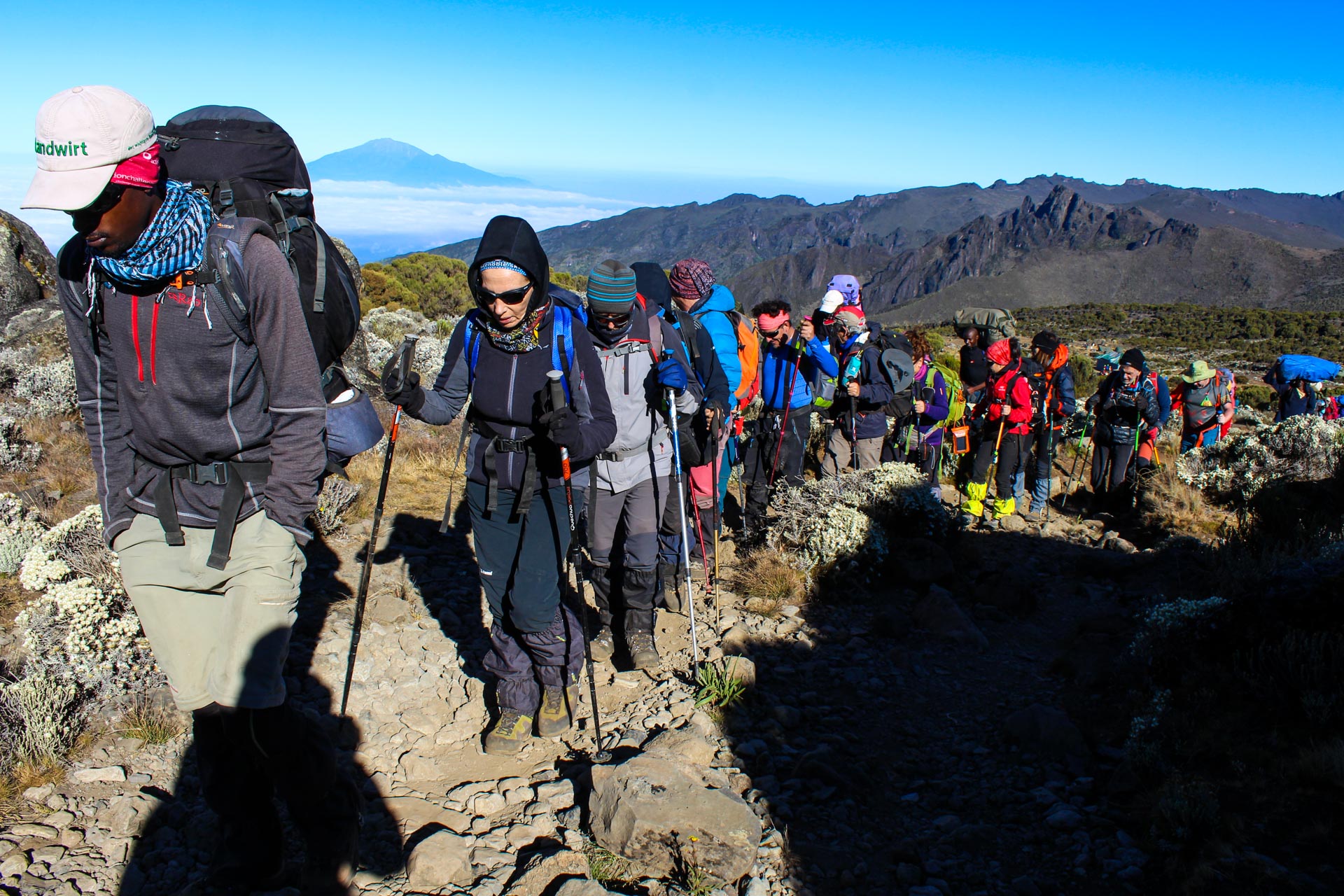
On average, there are 3–4 porters per climber, depending on route length. This ensures porters are not overloaded and camps are set up efficiently.
Cutting porter numbers to reduce costs often leads to unsafe practices and exhausted crews—we do not compromise here.
Your Safety on the Mountain
Climbing Kilimanjaro is physically demanding and altitude-related illness is a real risk. That’s why safety systems matter.
Our climbs include:
-
Daily health checks
-
Pulse oximeter monitoring
-
Trained guides using altitude assessment protocols
-
Emergency oxygen
-
Comprehensive medical kits
-
Clear evacuation procedures
Proper guide training and teamwork can make the difference in an emergency.
Route Choice and Its Impact on Cost
The route you choose affects both price and success rate. Longer routes cost more, but they offer better acclimatization and higher summit success.
At HWS Adventures, we strongly recommend 6–8 days on the mountain for safety and enjoyment.
Popular routes include:
-
Lemosho Route (7–8 days) – Scenic and excellent acclimatization
-
Machame Route (6–8 days) – Popular and effective “climb high, sleep low” route
-
Northern Circuit (9–10 days) – Longest and least crowded
-
Rongai Route (6–7 days) – Quieter and good during rainy seasons
Short routes may seem cheaper but often result in failed summit attempts due to poor acclimatization.
Additional Costs to Budget Before Your Climb
Beyond the climb package, you should also plan for:
-
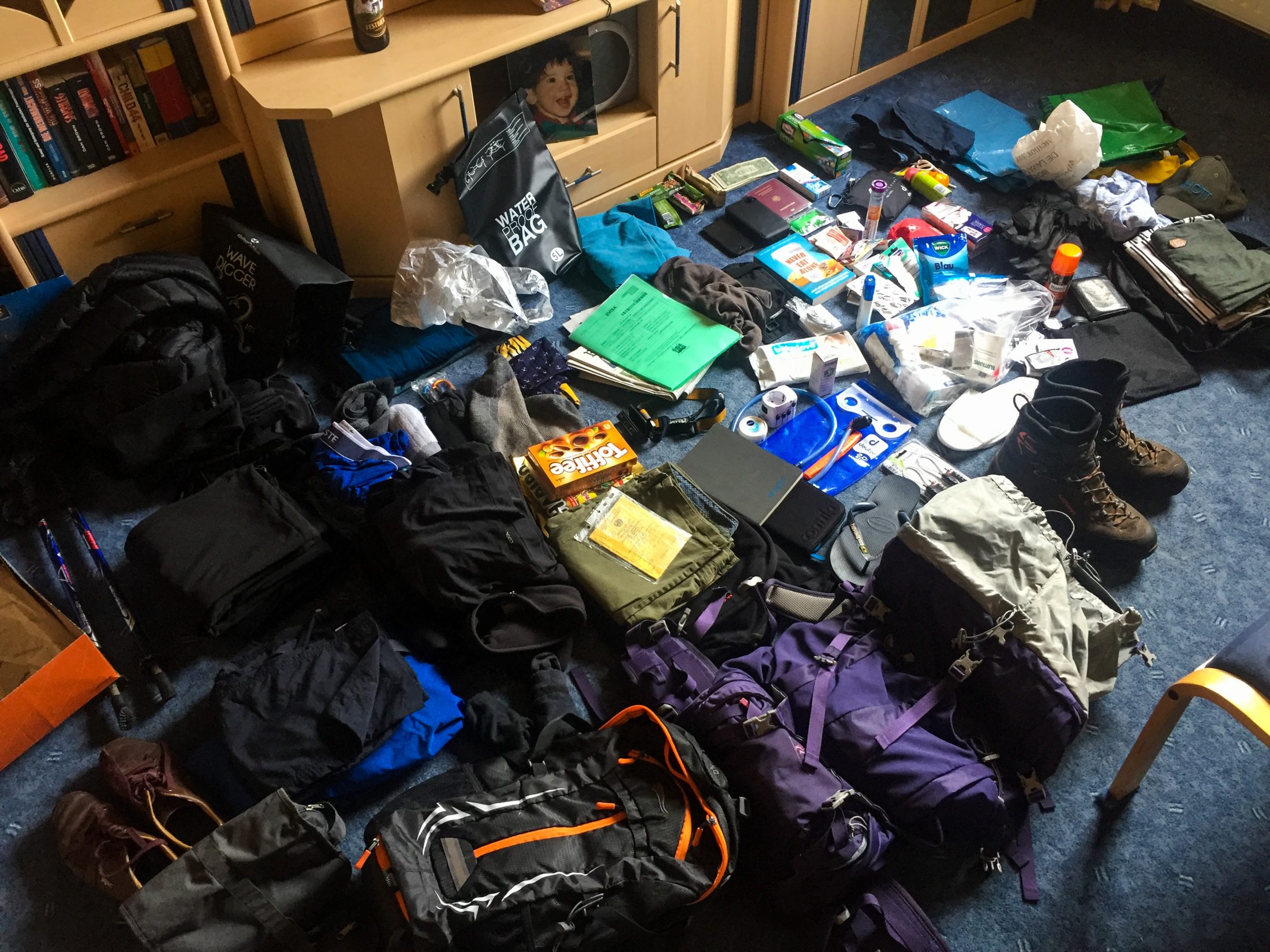
Trekking gear (USD 500–800 depending on what you already own)
-
Flights and visa fees
-
Medical checkups and vaccinations
-
Travel insurance covering high-altitude trekking and evacuation
-
Tips for guides and porters
-
Personal expenses, souvenirs, and extra hotel nights
Sample Kilimanjaro Prices With HWS Adventures
Prices vary by season and group size, but typical ranges include:
-
Machame Route (7 days): from USD 2,790
-
Lemosho Route (7 days): from USD 2,850
-
Lemosho Route (8 days): from USD 2,980
-
Northern Circuit (9 days): from USD 3,280
-
Rongai Route (7 days): from USD 2,850
-
Mount Meru (4 days): from USD 1,050
Final Thoughts: What Are You Really Paying For?
When you choose a Kilimanjaro operator, you are paying for more than just reaching the summit. You are investing in your safety, your comfort, and the well-being of the people who support you on the mountain.
At HWS Adventures, we price our climbs fairly—without shortcuts, hidden compromises, or exploitation. Our goal is to give you the best possible chance of a safe, enjoyable, and successful Kilimanjaro experience.
If you have questions about routes, costs, or planning your climb, our team is always happy to help.