Understanding the weather on Mount Kilimanjaro is an essential part of planning a successful and comfortable climb. Unlike many destinations where weather changes mainly by season, Kilimanjaro’s climate is influenced far more by altitude and time of day than by the calendar. In a single day, climbers can experience tropical heat, strong winds, freezing temperatures, and even snow.
At HWS Adventures, we prepare our climbers for every possible condition, ensuring you arrive on the mountain well-informed, properly equipped, and confident about what to expect.
An Overview of Kilimanjaro Weather
Mount Kilimanjaro rises to 19,341 feet (5,895 meters) above sea level, making it tall enough to create its own weather systems. Because the mountain sits near the equator, temperatures at the base remain relatively warm throughout the year. However, as you gain elevation, temperatures drop rapidly and conditions become more extreme.
At the base of the mountain, average daytime temperatures range between 21°C and 27°C (70–80°F). At the summit, Uhuru Peak, nighttime temperatures can plunge to between -7°C and -29°C (20°F to -20°F). This dramatic difference is why climbers must be prepared for both warm and very cold conditions during the same trek.
Rain, wind, and sudden weather changes are possible at any time of year—even during the so-called dry seasons.
Does Mount Kilimanjaro Have Snow?
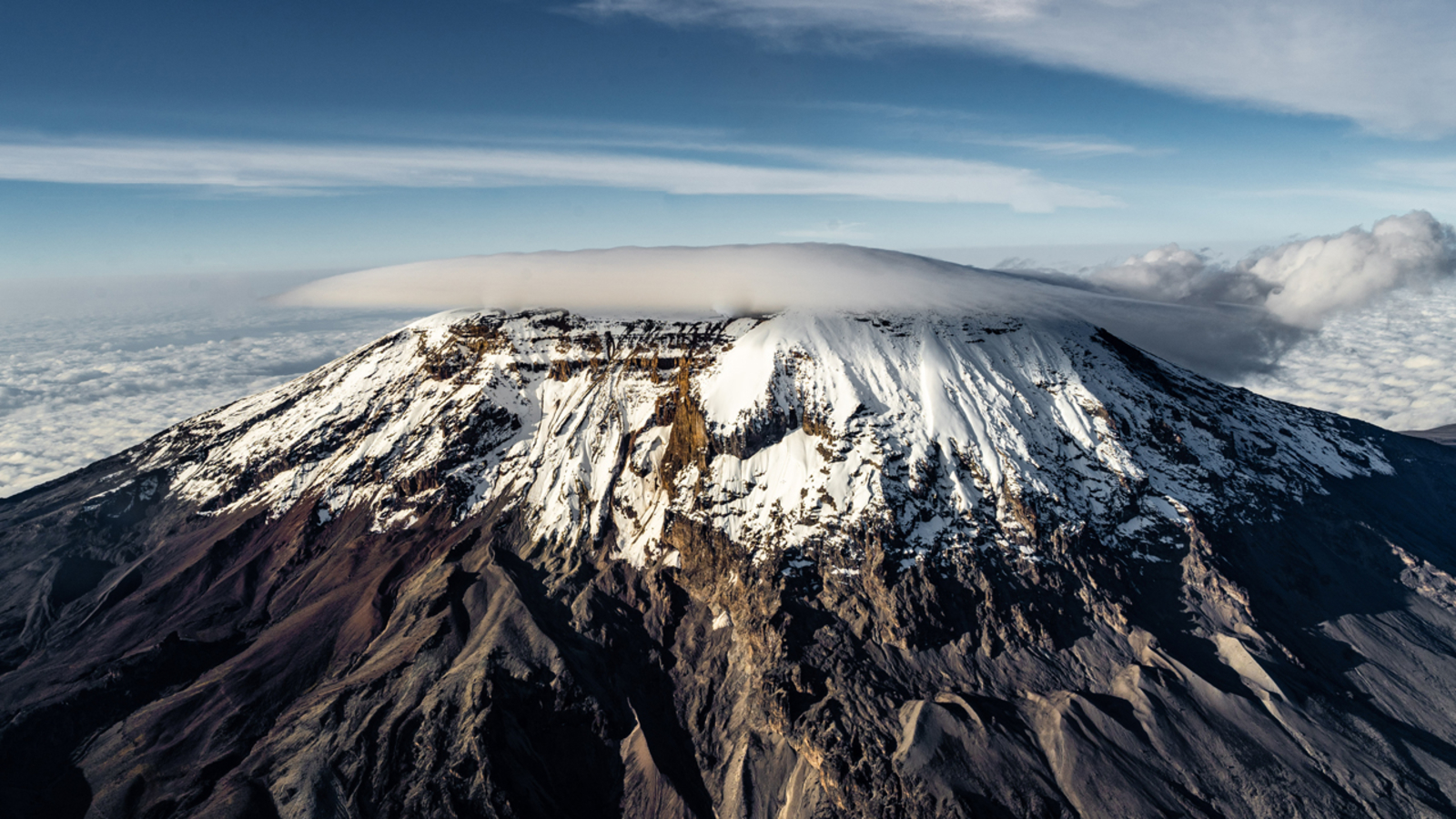
Yes, snow is common on the upper slopes and summit of Mount Kilimanjaro. Snowfall is most likely during the long rainy season (March to May), when moisture-laden trade winds from the Indian Ocean rise up the mountain and cool as they ascend. This results in rain on the lower slopes and snow near the summit.
During the short rains in November, lighter rainfall occurs, mainly on the northern slopes, caused by drier winds from the northeast. While snow is still possible, it is usually less intense than during the long rainy season.
Kilimanjaro Temperatures and Altitude
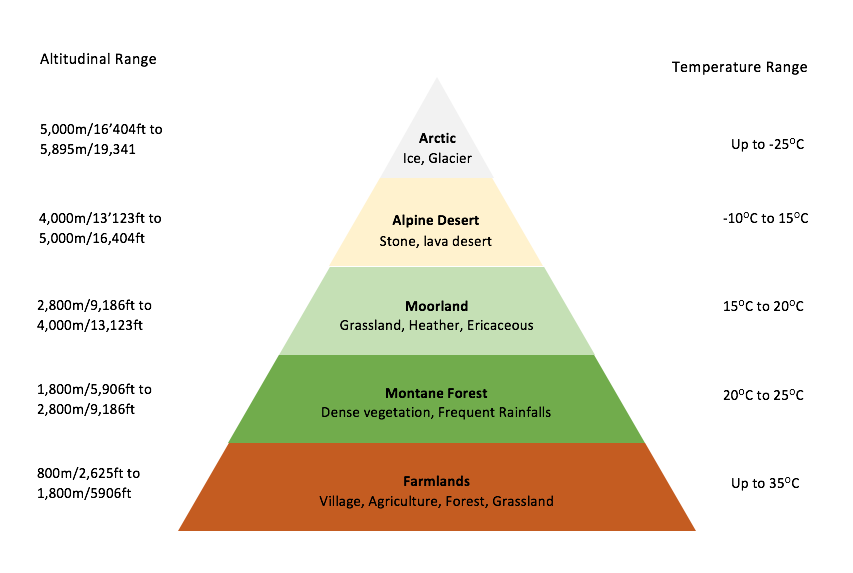
Kilimanjaro does not experience extreme seasonal temperature changes due to its equatorial location. Instead, temperatures decrease steadily as altitude increases. As you climb, you will pass through five distinct ecological and climate zones, each with unique weather conditions.
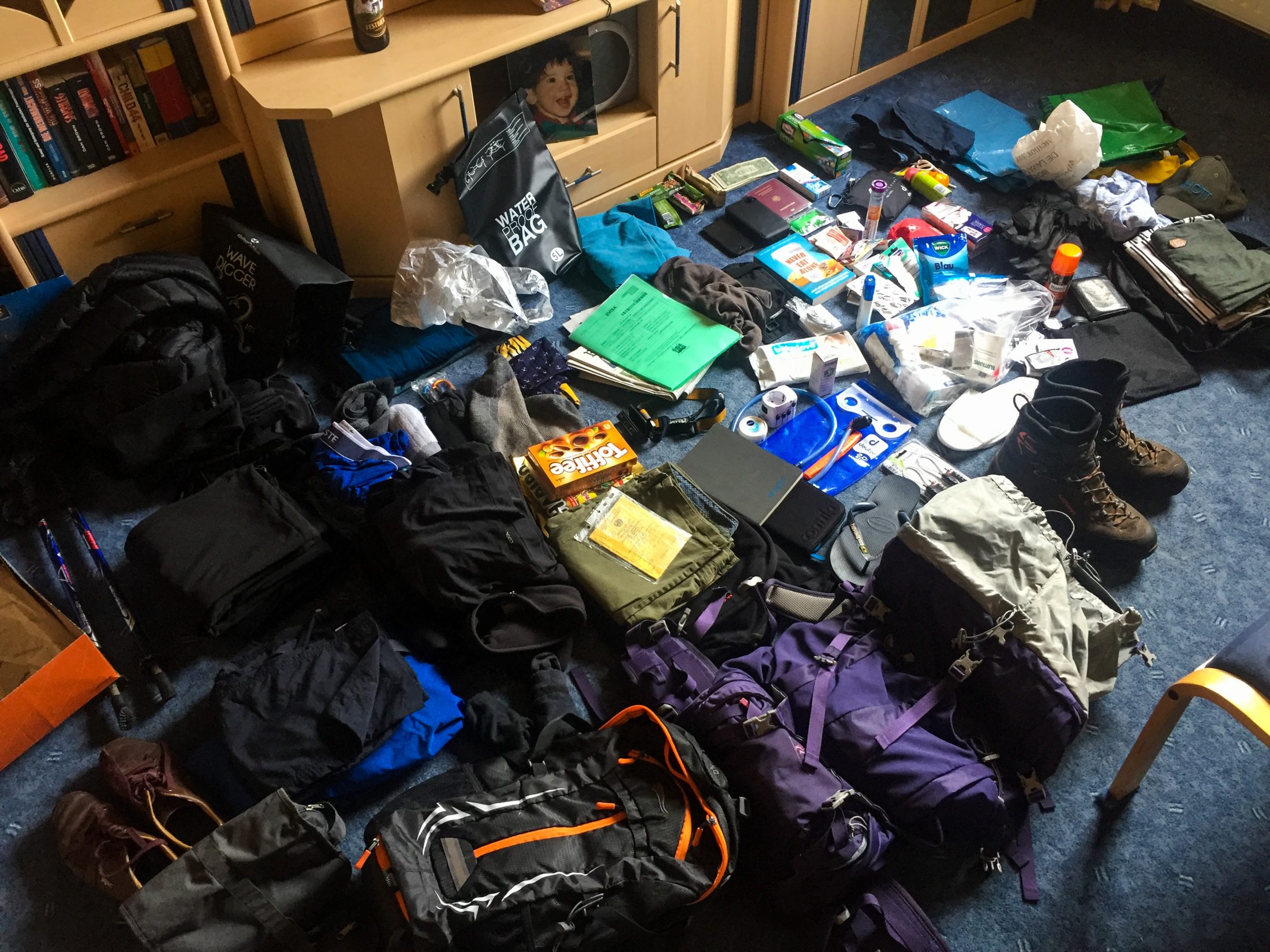
This is why proper layering, waterproof gear, and cold-weather equipment are essential for every climber.
Weather Through Kilimanjaro’s Climate Zones
Cultivation Zone
Altitude: 2,600–6,000 ft (800–1,800 m)
This zone surrounds the base of the mountain and is dominated by farmland made fertile by volcanic soil. Conditions here are generally warm and mild, with moderate to high rainfall. Most trekkers pass through this zone quickly on their way to the trailhead.
Forest Zone
Altitude: 6,000–9,200 ft (1,800–2,800 m)
The climb begins in a lush montane rainforest. This area absorbs much of the mountain’s moisture, making it warm, humid, and often misty. Muddy trails, cloud cover, and light rain are common, especially during wetter months.
Heath and Moorland Zone
Altitude: 9,200–13,200 ft (2,800–4,000 m)
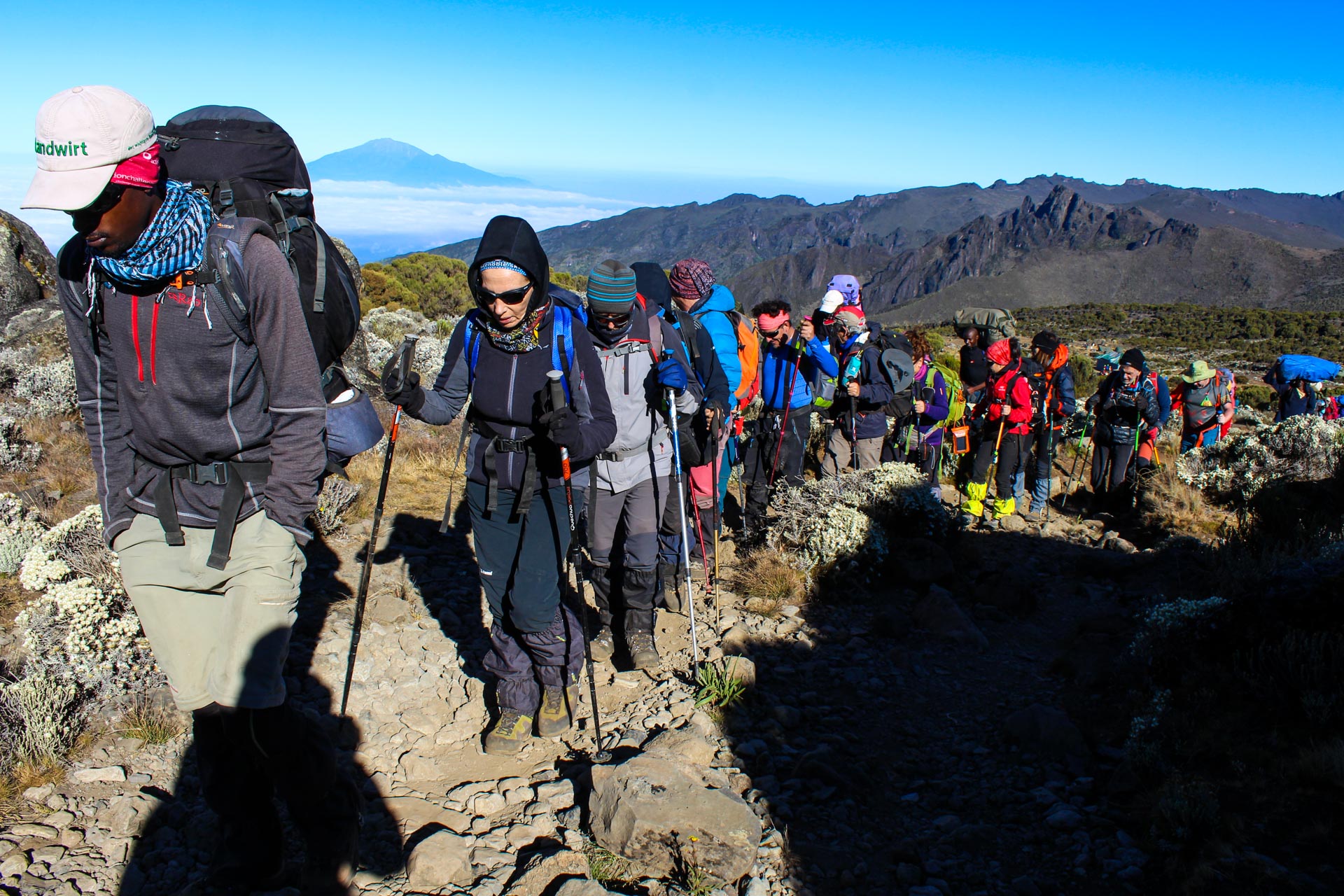
Above the forest, the landscape opens into moorland with grasses, heathers, and dramatic views. Rainfall decreases, humidity drops, and hiking becomes more comfortable. Days can be warm, but temperatures fall sharply at night, and winds become stronger.
Alpine / High Desert Zone
Altitude: 13,200–16,500 ft (4,000–5,000 m)
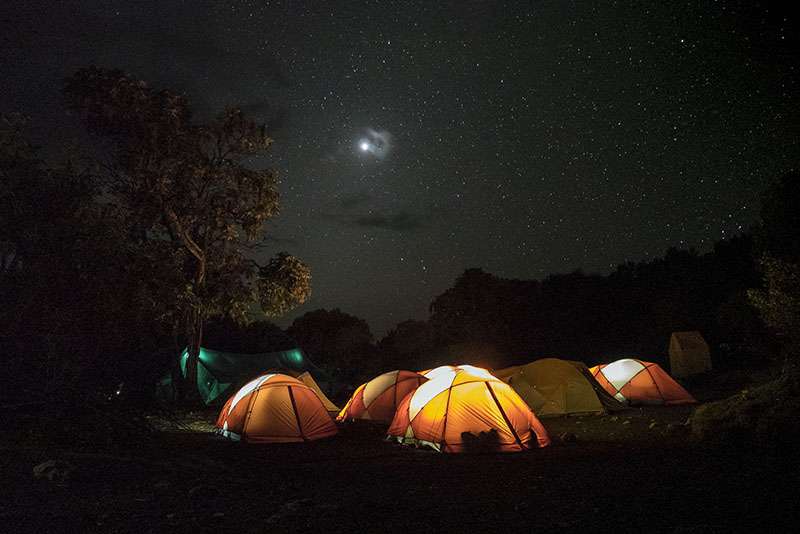
This zone is dry, windy, and exposed, with very little vegetation. Days may still feel warm in direct sunlight, but once the sun sets, temperatures drop rapidly. Nights are cold, and climbers are often above the clouds, enjoying spectacular stargazing.
Arctic (Summit) Zone
Altitude: 16,500+ ft (5,000+ m)
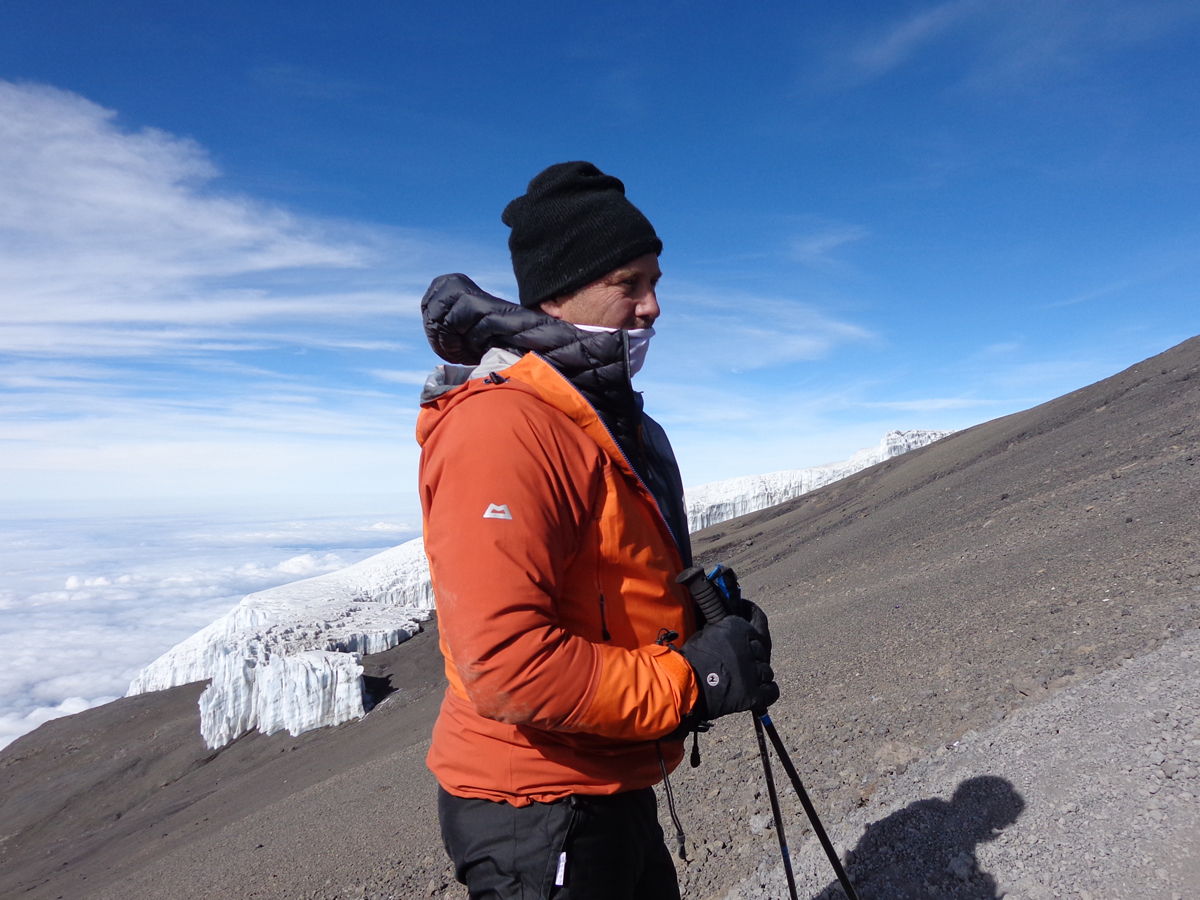
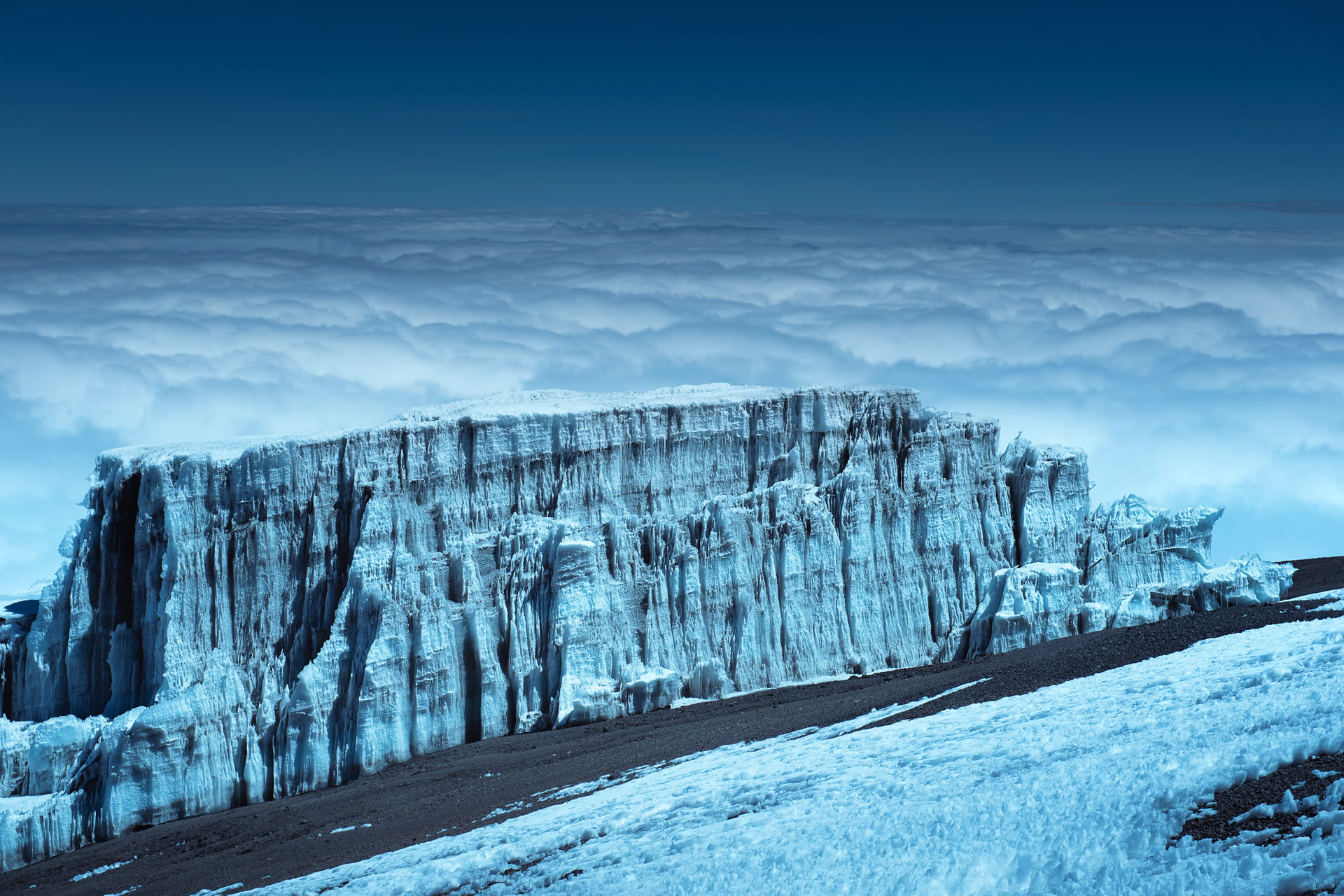
The summit zone is harsh and barren, with snow, ice, glaciers, and volcanic rock. Oxygen levels here are about 49% of those at sea level, and temperatures remain well below freezing. Strong winds, intense sun radiation, and extreme cold define this zone.
Kilimanjaro Weather by Season
Long Dry Season: June to September
This is one of the best times to climb Kilimanjaro. Conditions are generally stable with low rainfall and clear skies. Temperatures are cooler, especially at night, but overall climbing conditions are excellent.
Short Dry Season: January to February
Another popular period for climbing, this season is typically warmer than June to October. Weather is usually dry, though conditions can vary slightly year to year.
Short Wet Season: October to December
Light to moderate rainfall begins during this period, especially in November. Rainfall is less intense than during the long rains, but weather can be unpredictable.
Long Wet Season: March to May
This is the wettest time of year, with heavy rain on the lower slopes and snow at higher elevations. Trails can become slippery and dangerous. For safety reasons, HWS Adventures does not operate climbs during this season.
Weather on Kilimanjaro Summit Night
Most climbers begin their summit attempt around midnight, when conditions are at their coldest. Temperatures are well below freezing, and ice or snow may be present on the trail. Strong winds are common, and proper thermal layers are essential.
Reaching Uhuru Peak at sunrise is one of the most rewarding moments of the climb. As the sun rises, temperatures slowly improve, skies often clear, and climbers are rewarded with breathtaking panoramic views over Mawenzi Peak and the African plains below.
Final Thoughts: Be Prepared for Every Condition
Mount Kilimanjaro’s weather is unpredictable, varied, and challenging—but with the right preparation, it becomes part of the adventure rather than an obstacle. Being ready for heat, cold, wind, rain, and snow is key to a safe and enjoyable climb.
At HWS Adventures, we guide our climbers with expert knowledge of Kilimanjaro’s weather patterns, proper gear recommendations, and well-paced itineraries designed for changing conditions. With the right planning and experienced support, you can face Kilimanjaro’s weather confidently and focus on reaching the Roof of Africa.